
About us
We are building what should have been here all along.
A youth-led organisation, anonymous by choice, working in mental health advocacy online and internationally.
Our story
It started at a kitchen table, not in a boardroom.
SafeHere was started by someone who watched, at close range, what happens to a person when the support isn't there. Not in the abstract and not in a policy paper — at home, in a family, over years.
What was obvious from that vantage point is what the figures say too: the problem very often isn't that help doesn't exist. It's that reaching it takes money, or knowledge of the system, or someone to make the call for you — and the people who need it most tend to have none of the three.
So the organisation was built around that gap rather than around a service. We are not another clinic. We are the part in between: the bit that gets a person from I can't do this on my own to someone qualified to help.
The founder's name is not on this site, and won't be. This is deliberate. The work is about the people it serves, and a name at the top of it changes the subject. Everything here is signed the same way: the foundation.
The principle
Youth-led is not an age. It's a method.
Nothing gets decided about young people without young people in the room. Not because it's fair — though it is — but because the people living a problem describe it more accurately than anyone studying it from outside.
In practice it means the people who design what we do are the people it is for, and that we would rather be corrected early by someone with experience than be polished and wrong.
What we hold to
Five commitments, and what each one costs us.
We never ask the public for money
No campaigns, no shop, no donate button. It costs us the fastest route to growth, and it buys the one thing we can't otherwise have: nobody reading this has to wonder what we want from them.
We never claim to be clinicians
We don't diagnose, treat, or take anyone into our care. It means we have to say "we can't help with that" more often than we'd like, and hand people on.
We publish the source, every time
Every figure carries the body that produced it and the year. It rules out the striking numbers that can't be stood up, which is most of the striking numbers.
We stay anonymous
No founder's face, no personal brand. It costs reach — individual voices travel further than organisations do — and we accept that.
We say what works before we criticise
Public services cut poverty roughly in half where we work. That is true and it goes first. Alarmism is easy and it makes everything after it less believable.
We don't photograph the people we serve
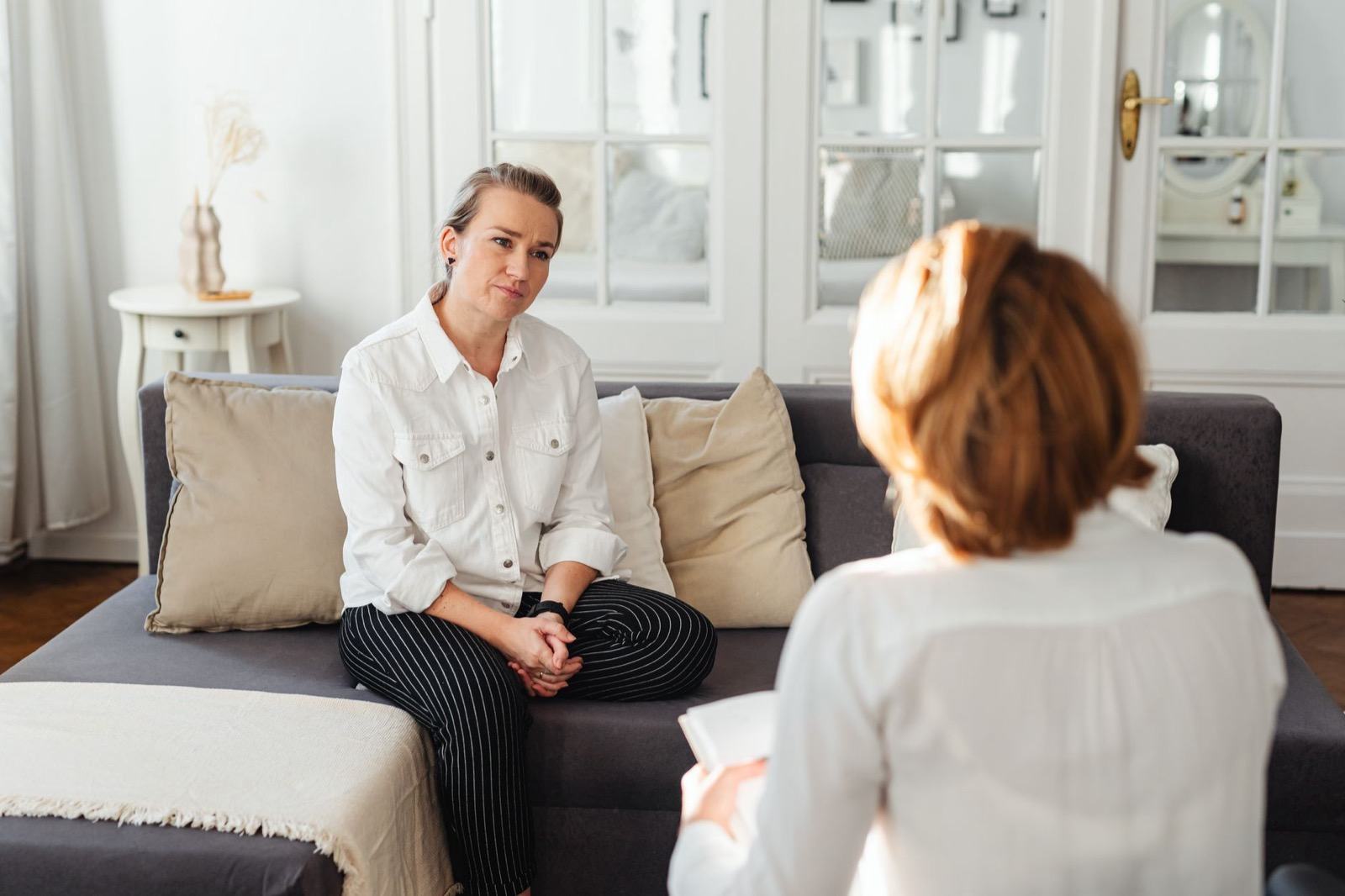
Nobody in a shelter, a ward or a programme appears in our images. The photographs on this site are stock, and they are credited.
For clarity
What we are not.
We are not
- A clinic, a practice, or a treatment provider
- A crisis line or an emergency service
- A registered charity soliciting public donations
- A replacement for any professional or public service
- A source of medical advice
We are
- An advocacy organisation
- A route to services that already exist
- Privately supported, so free to whoever uses it
- Led by the people it is built for
- Careful, and slow, about what we claim
If you need someone tonight, we are not the right page — these numbers are.